
Exploring the differences between custom built homes and modular homes offers valuable insights for anyone considering their dream home. From design flexibility to cost considerations, this comparison delves into the nuances of each option, helping you make an informed decision.
Custom Built Homes
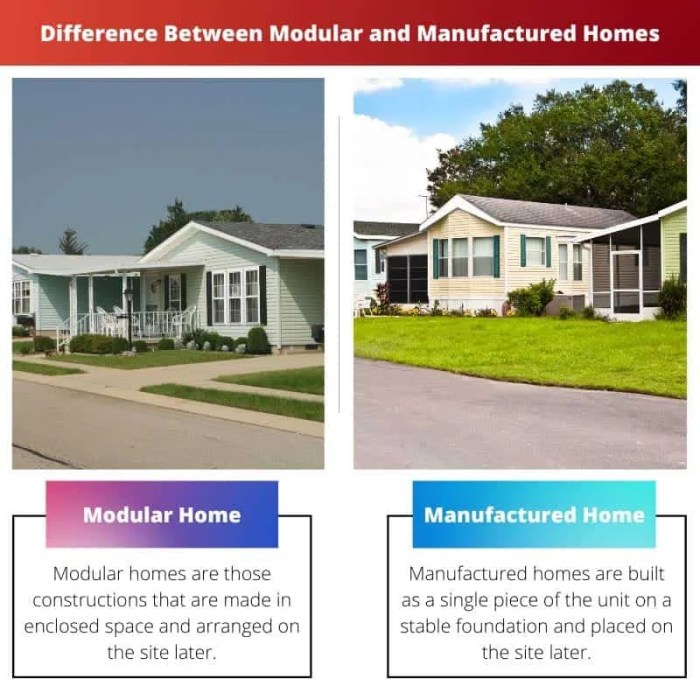
Custom built homes are unique houses that are designed and constructed according to the specific preferences and needs of the homeowner. Unlike modular homes that are pre-designed and assembled in a factory, custom built homes offer a more personalized approach to home building.
Advantages of Custom Built Homes
- Freedom to design and customize every aspect of the home to suit individual tastes and lifestyle.
- Ability to choose high-quality materials and finishes based on personal preferences and budget.
- Opportunity to incorporate energy-efficient features and sustainable design elements for long-term savings and environmental benefits.
- Potential for higher resale value due to the uniqueness and craftsmanship of a custom built home.
Flexibility in Design and Customization
Custom built homes offer a wide range of design options and customization opportunities. Homeowners can work closely with architects and builders to create a floor plan that fits their specific needs, whether it's adding extra bedrooms, expanding living spaces, or incorporating special features like a home office or a gym.
Working with Architects and Builders
The process of building a custom home involves collaboration with architects and builders who specialize in creating one-of-a-kind residences. Homeowners can communicate their vision, preferences, and requirements to the professionals, who will then translate these ideas into detailed plans and construction documents.
Throughout the construction process, homeowners have the opportunity to provide input and make adjustments to ensure the final result meets their expectations.
Modular Homes
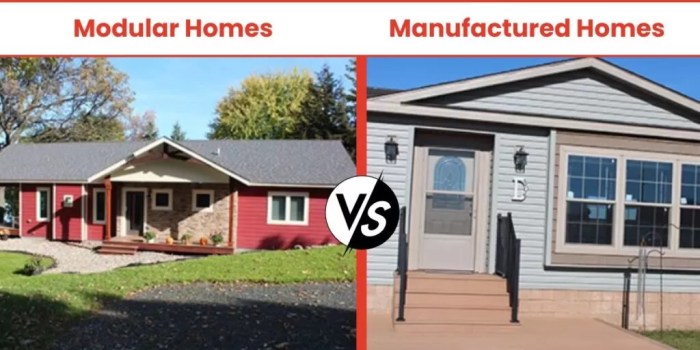
Modular homes are prefabricated houses that consist of multiple sections or modules built off-site in a factory setting and then transported to the final construction site for assembly. These homes differ from traditional stick-built homes, which are constructed entirely on-site.
Benefits of Choosing a Modular Home Construction
Modular homes offer several advantages over traditional stick-built homes, including:
- Cost-Effective: Modular homes are often more cost-effective than traditional homes due to the efficiency of factory production and reduced construction time.
- Customization Options: Homebuyers can choose from a variety of floor plans, designs, and finishes to customize their modular home to suit their needs and preferences.
- Quality Control: Modular homes are built in a controlled factory environment, ensuring higher quality standards and precision in construction.
- Energy Efficiency: Many modular homes are designed with energy-efficient features, leading to lower utility bills and a smaller environmental footprint.
Process of Selecting, Customizing, and Assembling a Modular Home
The process of getting a modular home involves several steps, including:
- Choosing a Manufacturer: Research and select a reputable modular home manufacturer with a track record of quality construction.
- Design Selection: Select a floor plan and design that fits your needs, and work with the manufacturer to customize the home with preferred finishes and features.
- Site Preparation: Prepare the final construction site by laying the foundation and utility connections required for the modular home.
- Transportation and Assembly: The modular home sections are transported to the site and assembled by a team of professionals, ensuring a quicker construction timeline compared to traditional homes.
Design and Construction
When it comes to designing and constructing homes, there are significant differences between custom built homes and modular homes. Let's explore the various aspects of design and construction in both types of housing options.
Design Options
Custom built homes offer endless design possibilities since they are tailored to the specific needs and preferences of the homeowner
While some customization is possible, modular homes are typically built from pre-designed modules that may restrict certain design elements.
Materials Used
In custom built homes, the materials used can vary based on the homeowner's preferences, budget, and the specific design of the house. This flexibility allows for the use of high-quality, customized materials that can enhance the overall look and feel of the home.
Conversely, modular homes are constructed using factory-built modules made from standardized materials. While this can result in cost savings and quicker construction times, it may limit the selection of materials available for use.
Limitations and Restrictions
One of the main limitations of modular homes is the difficulty in making structural changes or additions once the modules are assembled on-site. Custom built homes, on the other hand, offer more flexibility in terms of modifications and expansions over time.
Additionally, local building codes and regulations may impose restrictions on the design and construction of both custom and modular homes, so it is essential to consider these factors when choosing between the two options.
Unique Design Features and Innovative Trends
Custom built homes often feature unique design elements such as custom millwork, intricate architectural details, and innovative floor plans that reflect the homeowner's individual style. On the other hand, modular homes have seen advancements in construction technology, leading to more sustainable and energy-efficient designs.
For example, some modular homes now incorporate green building practices and smart home technology to increase efficiency and reduce environmental impact.
Cost and Time Considerations
When considering between custom built homes and modular homes, it is essential to analyze the cost factors and timeline for construction and delivery. Understanding the potential hidden costs or savings can help you make an informed decision. Here are some tips for budgeting and managing costs effectively for both types of home construction.
Cost Factors
- Custom Built Homes: Custom built homes typically have higher upfront costs due to the personalized design and unique features. The cost can vary greatly depending on the materials used, size, location, and complexity of the design.
- Modular Homes: Modular homes are generally more cost-effective than custom built homes because of the standardized construction process. The cost is often lower per square foot compared to custom homes.
Construction Timeline
- Custom Built Homes: Building a custom home can take longer due to the design process, obtaining permits, and the construction itself. The timeline can range from several months to over a year, depending on the complexity of the project.
- Modular Homes: Modular homes are typically quicker to build as most of the construction takes place in a factory setting. Once the modules are delivered to the site, the assembly process can be completed in a matter of weeks.
Hidden Costs and Savings
- Custom Built Homes: Hidden costs in custom homes may arise from unforeseen design changes, site preparation, or customization requests. However, potential savings can be achieved through energy-efficient design choices or DIY projects.
- Modular Homes: While modular homes may have fewer hidden costs due to the standardized construction process, additional expenses can still arise from site preparation, delivery fees, or customization options.
Budgeting and Cost Management Tips
- Get multiple quotes from builders or modular home companies to compare costs and services.
- Have a detailed budget and contingency fund to account for unexpected expenses.
- Consider the long-term savings of energy-efficient features or sustainable materials.
- Communicate openly with your builder or modular home provider to avoid any misunderstandings that could lead to additional costs.
Wrap-Up
In conclusion, the choice between custom built homes and modular homes ultimately depends on your preferences, budget, and timeline. By weighing the benefits and limitations of each, you can embark on the exciting journey of building your ideal home with confidence.
Essential Questionnaire
Can I customize the design of a modular home like a custom built home?
While modular homes offer some customization options, the level of design flexibility is typically greater in custom built homes.
Are modular homes more cost-effective than custom built homes?
Modular homes can be more cost-effective due to efficient construction processes and economies of scale in manufacturing.
How long does it take to build a custom built home compared to a modular home?
The construction timeline for custom built homes is often longer due to the detailed design and construction process involved.


![Immigration Physical Exam [Easy Process]](https://interior.kanalkalimantan.com/wp-content/uploads/2025/10/d3b59a59dd23b10f3c974c12952c93f5-120x86.jpg)